Interchurch Conference Dedicated to the 1700th Anniversary of the Ecumenical Council of Nicaea Has Commenced at the Mother See
 04.09.2025
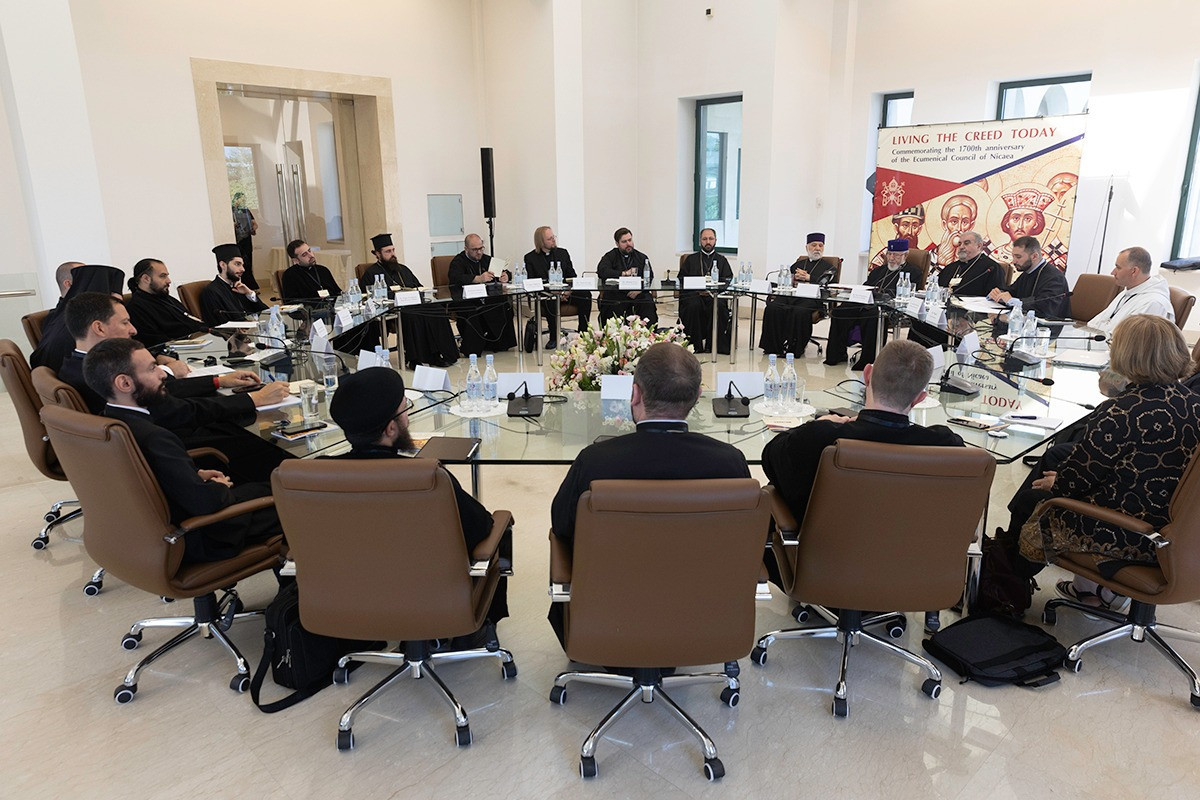
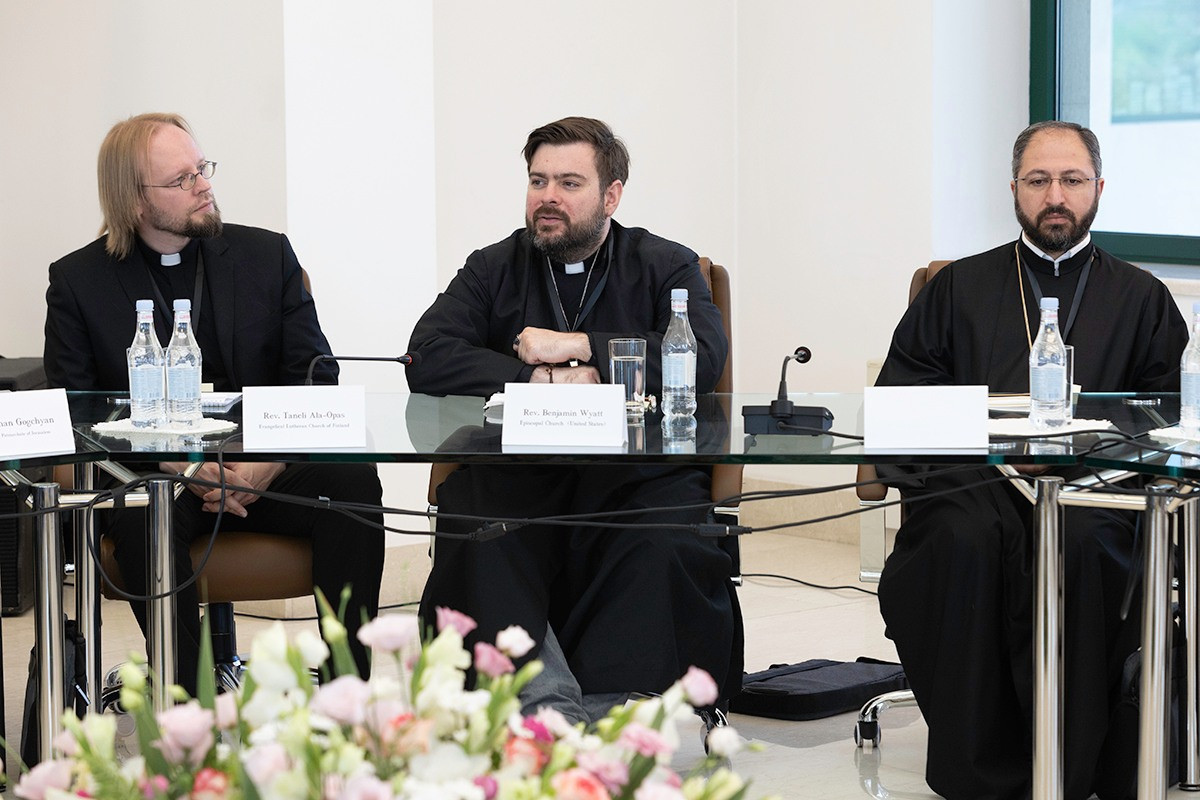
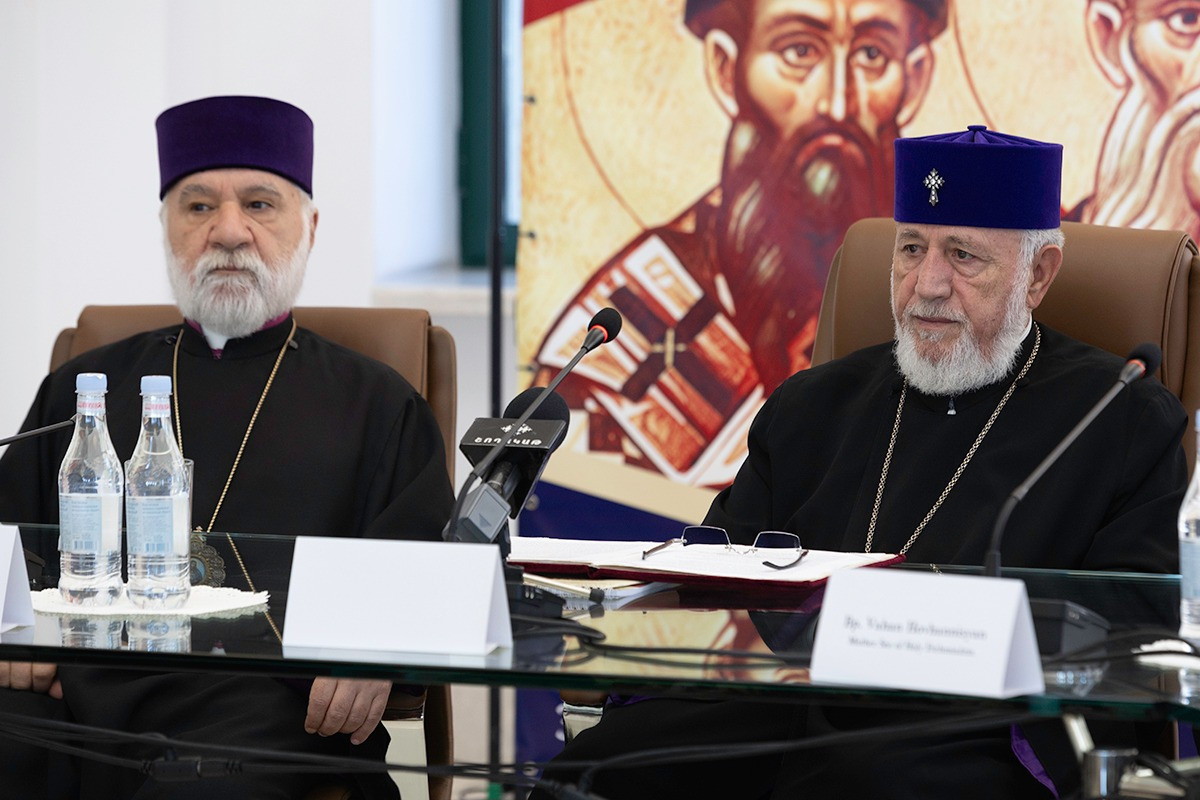
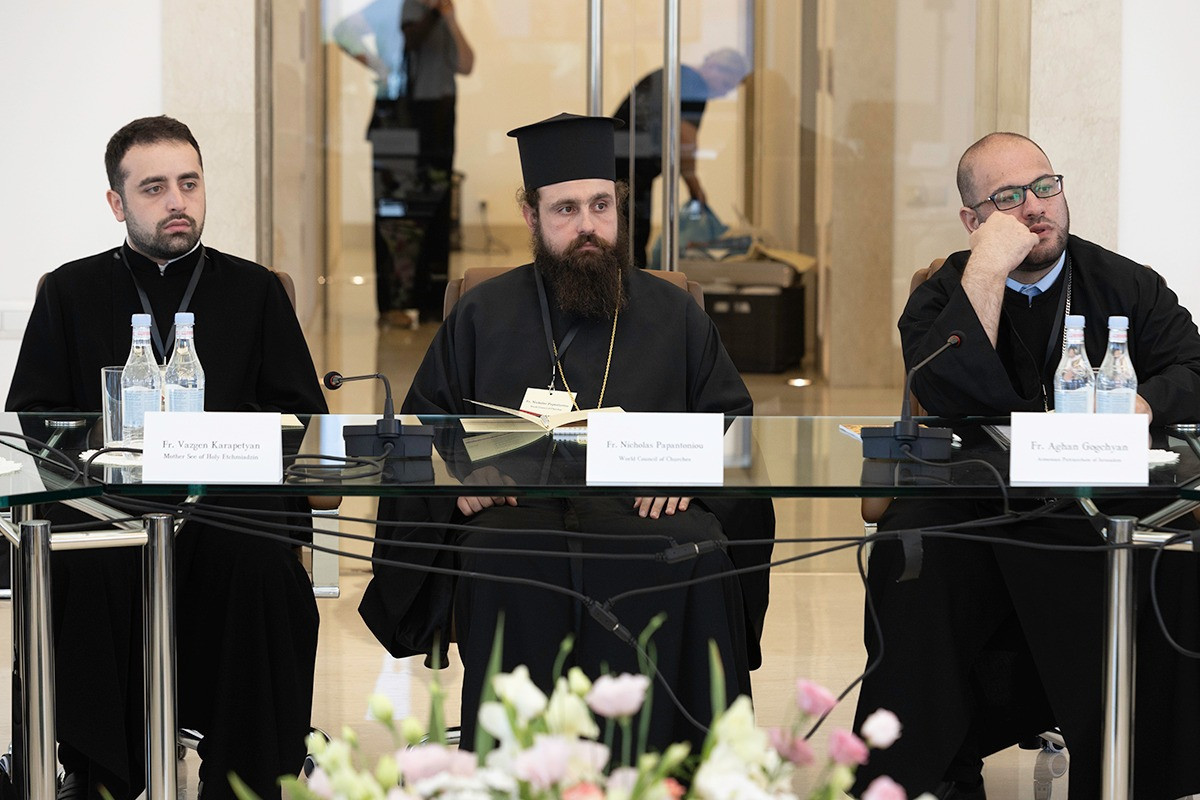
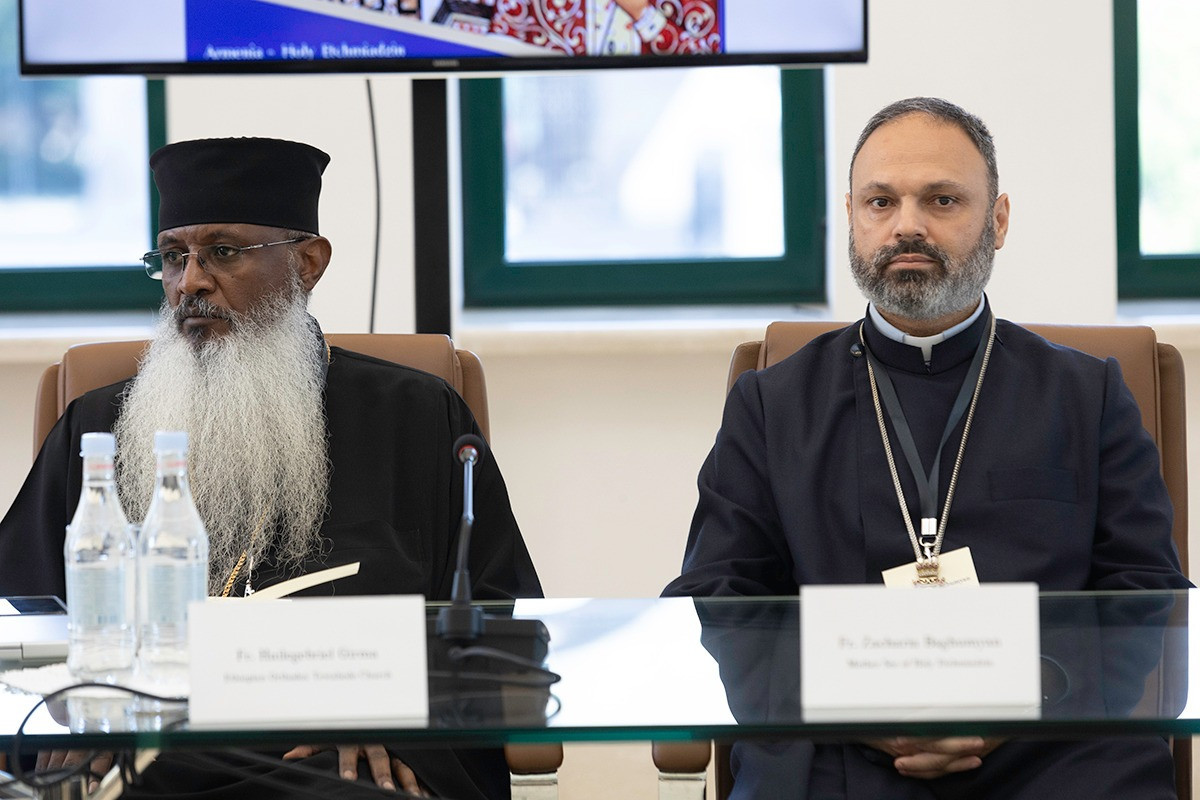
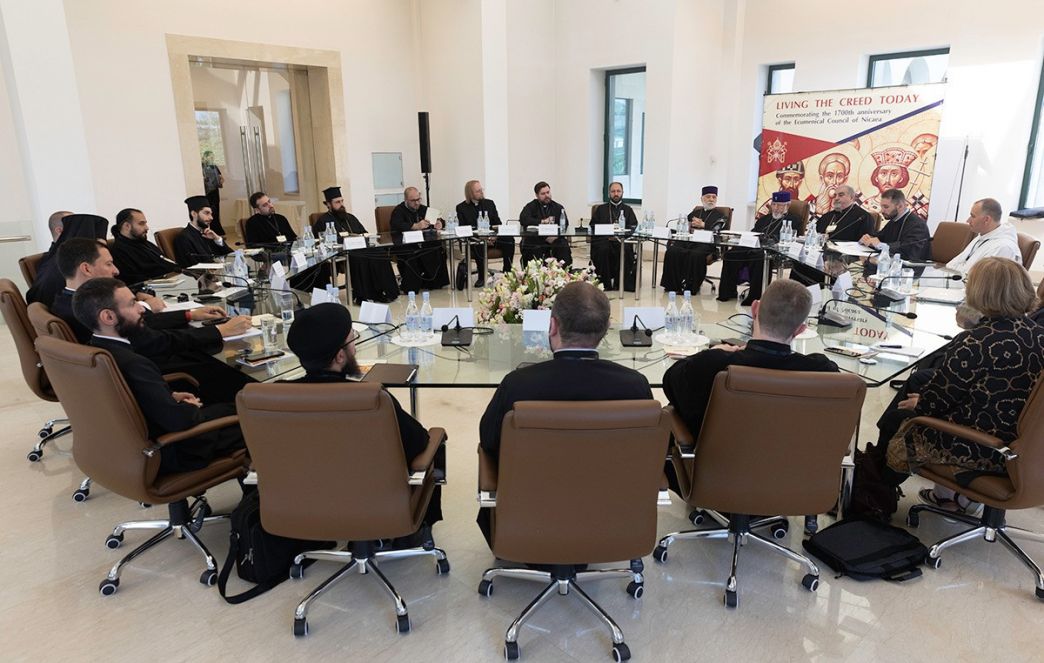
On September 4, with the blessing of His Holiness Karekin II, Supreme Patriarch and Catholicos of All Armenians, the interchurch conference titled “Living the Creed Today: Commemorating the 1700th Anniversary of the First Ecumenical Council of Nicaea” commenced at the Mother See of Holy Etchmiadzin.
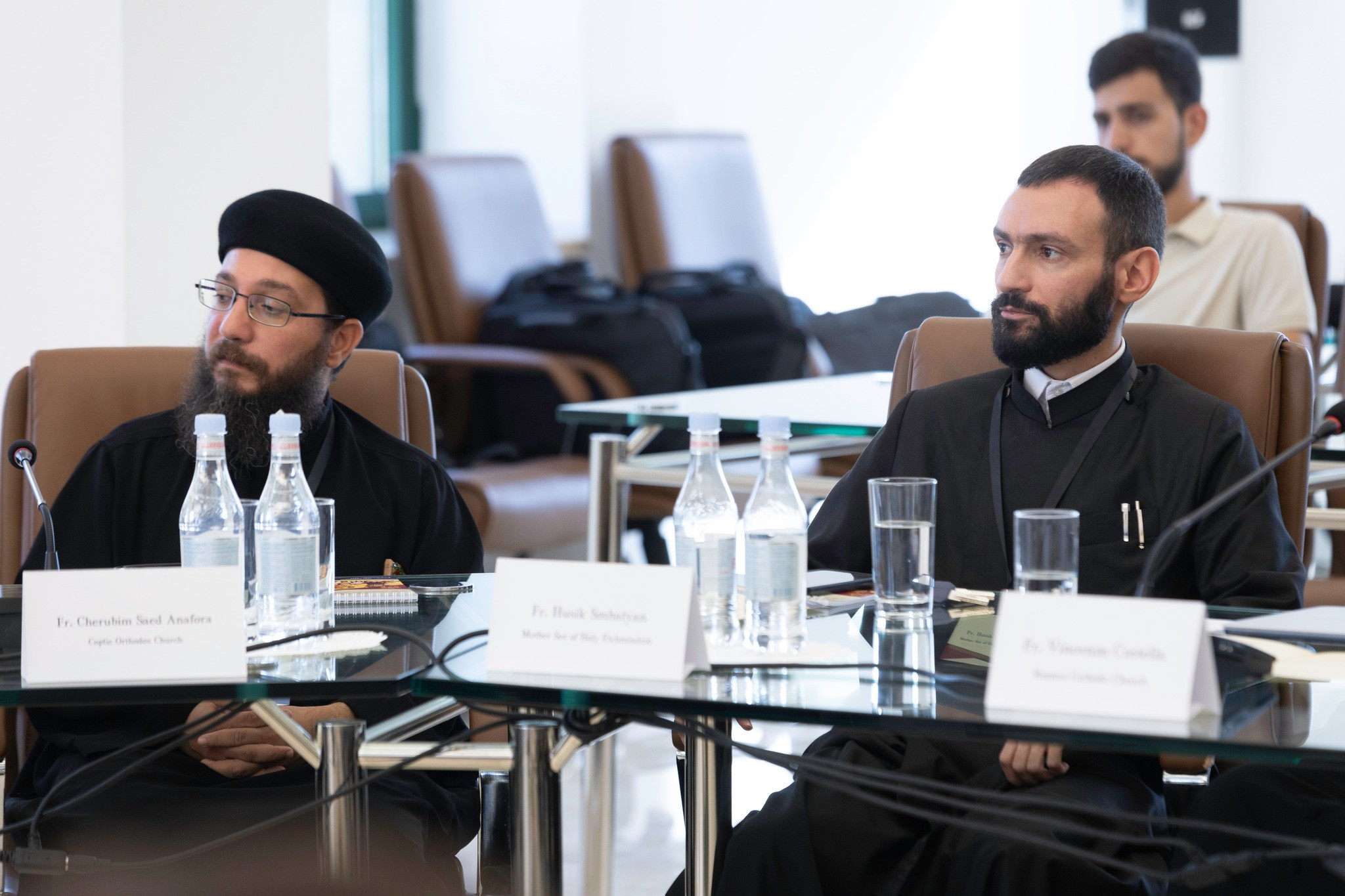
Organized by the Interchurch Relations Department of the Mother See, the conference aims to gather young clergy to discuss the challenges facing the Church, explore the significance of the Nicene Creed, and foster a spirit of fellowship and cooperation.
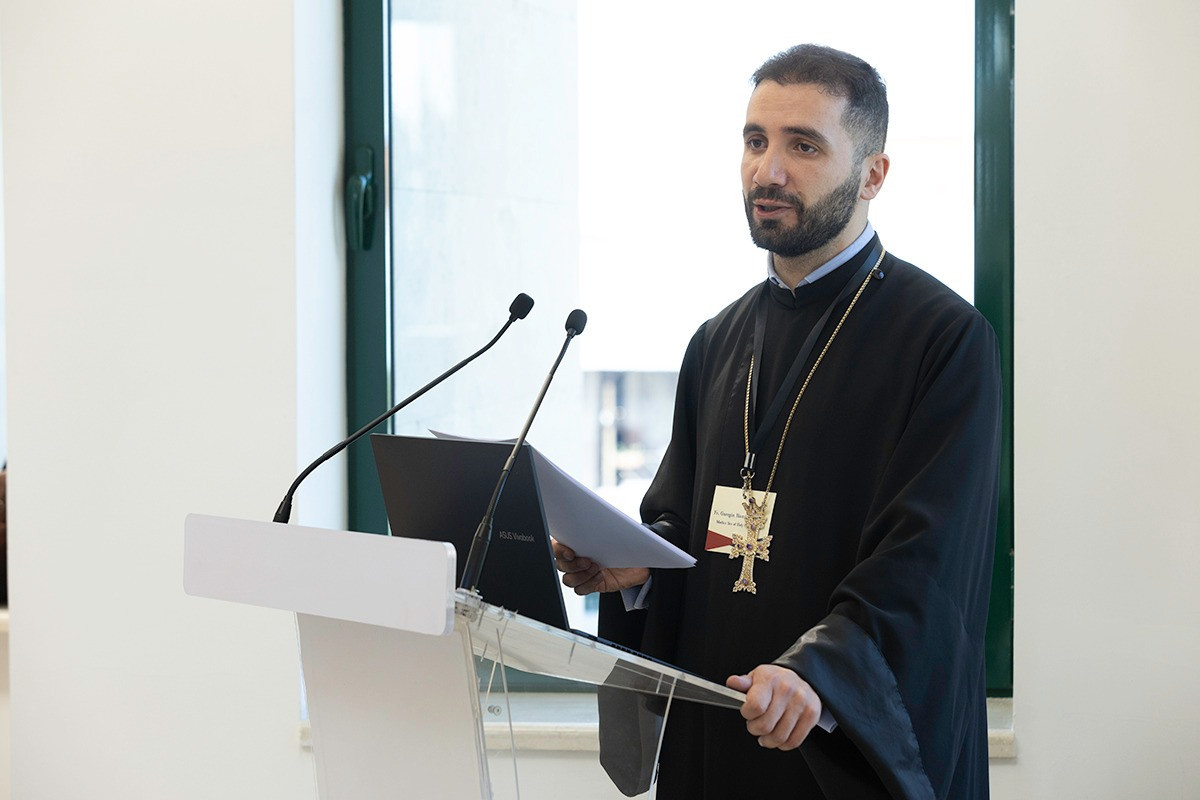
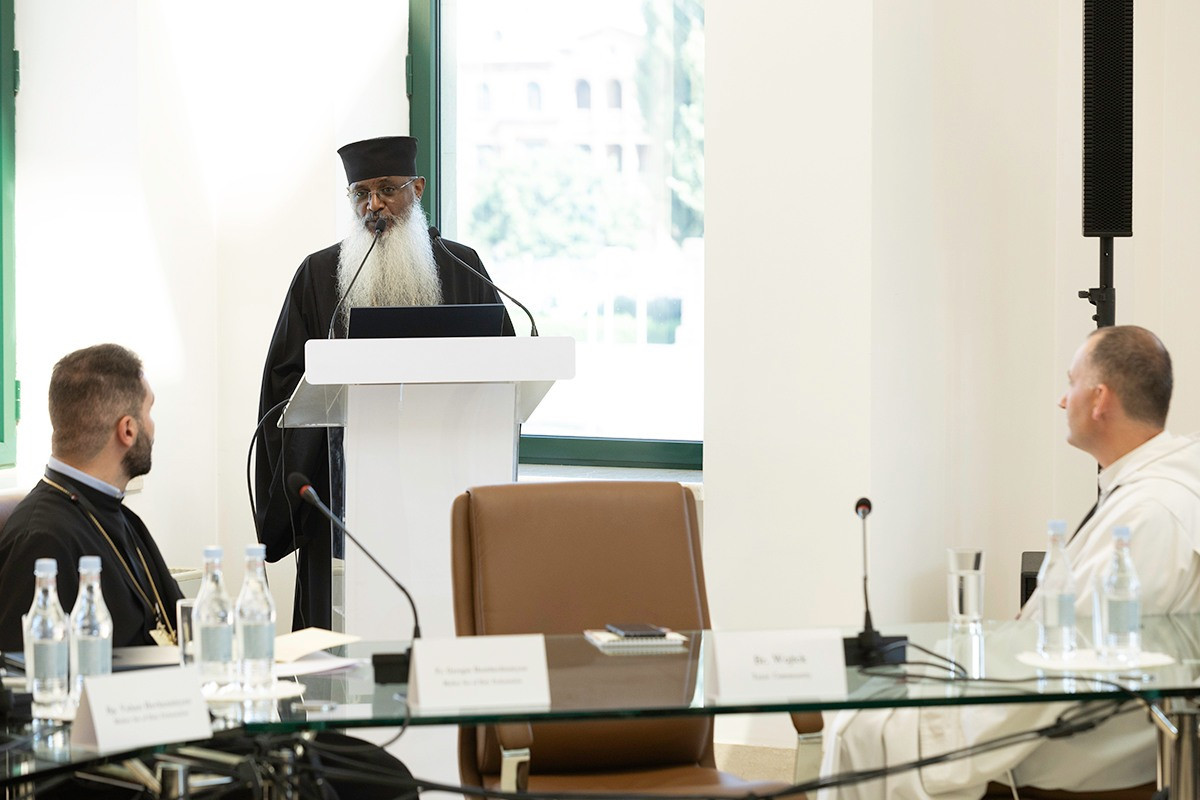
The conference, held from September 4 to 7, brings together representatives of the Catholicosate of the Great House of Cilicia, the Armenian Patriarchates of Constantinople and Jerusalem, as well as sister churches, various Christian denominations, and interchurch organizations. The event opened with the Lord’s Prayer, after which Rev. Fr. Garegin Hambardzumyan, head of the Interchurch Relations Department, welcomed the participants.
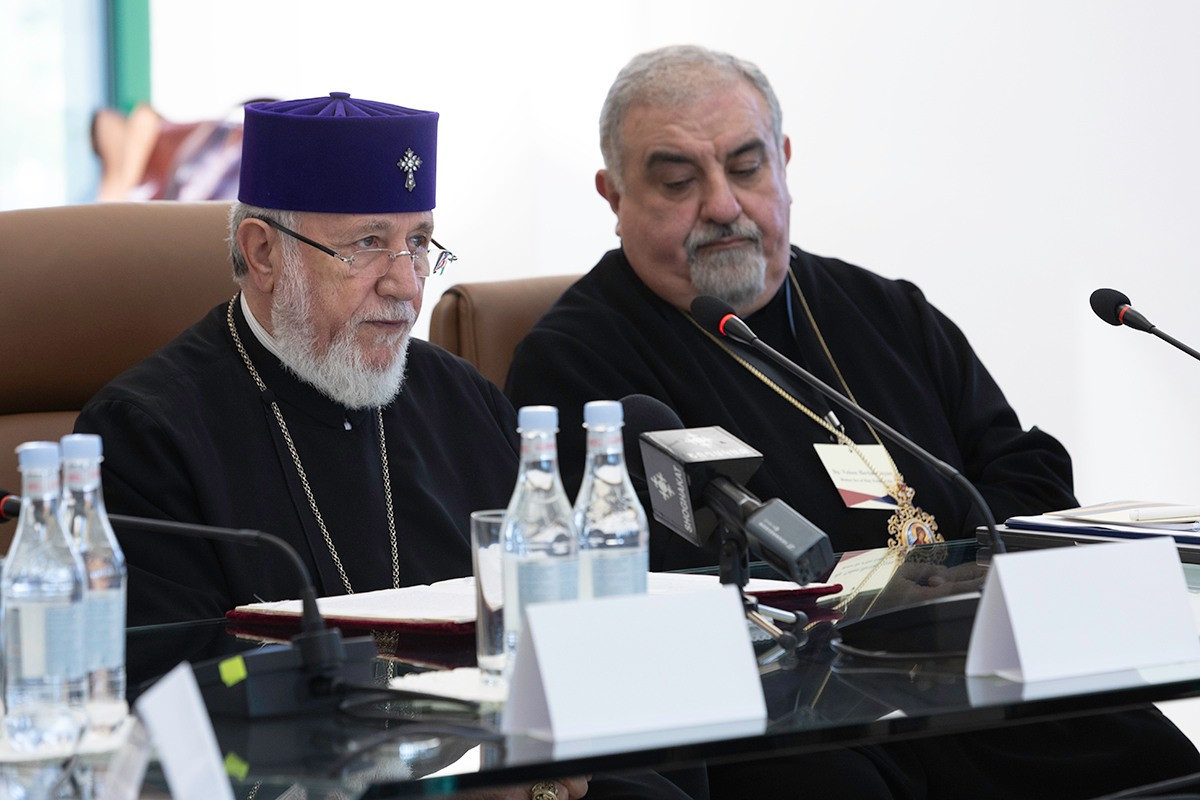
Following this, His Holiness Karekin II, Supreme Patriarch and Catholicos of All Armenians, delivered his blessing and message. He emphasized that the First Ecumenical Council of Nicaea was of decisive importance not only for the preservation of the Orthodox faith of Christ’s Holy Church but also for the fruitful realization of its divine mission.
“The Ecumenical Council of Nicaea brought together many churches to collectively oppose phenomena that disturb church life, to resist attempts to distort evangelical truths, and to safeguard the faith from arbitrary interpretations and heresies.
At the First Ecumenical Council, Patriarch Aristakes, son of the Armenian Catholicos St. Gregory the Illuminator, represented the Armenian Church. There, the Nicene Creed was established, and the Church’s unshakable doctrine of Christ’s Divinity was affirmed.
It became a firm anchor of the Christian faith, defining theological concepts and foundations, and declaring the Church of Christ to be one, holy, catholic, and apostolic. The twenty canons adopted at the council also became essential guidelines for liturgical and canonical life and for understanding hierarchical order,” said His Holiness, stressing that the gathering of 318 fathers from across the world became both a shield of the Christian faith and a testimony to the Church’s universality and unity.
His Holiness further noted that the Nicene Creed continues to unite Christians across cultures and traditions, remaining an inexhaustible source of strength and inspiration for the Christian faith.
He emphasized that, drawing on the experience of the Church and the examples handed down by the holy fathers, greater efforts must be made to safeguard the faith, promote peace in the world, and spread the heavenly message of harmony among people.
“Seventeen centuries later, the Council of Nicaea brings you together in a land that has endured unspeakable persecutions, hardships, and trials for the sake of Christ. Even today, our people face great challenges.
The wounds inflicted in 2020 by the war imposed by Azerbaijan have not healed. Thousands lost their lives or were disabled for simply desiring to live freely and safely on their historic land and to pray in their centuries-old sanctuaries; tens of thousands of families were orphaned. In 2023, the entire population of Artsakh was forcibly displaced—120,000 Armenians were dispossessed. To this day, Azerbaijan unlawfully holds Artsakh’s state leaders and prisoners of war.
In occupied Artsakh, our centuries-old spiritual shrines and cultural heritage are being destroyed or damaged, falsely claimed to be non-Armenian,” said the Catholicos, adding that, in light of today’s painful realities, the spirit of church cooperation is more imperative than ever.
The Catholicos expressed confidence that only through prayer, dialogue, fruitful relations, and united efforts can joy and harmony be multiplied in human life, so that new genocides may be prevented, misfortunes cease, and God’s will prevail in the world.
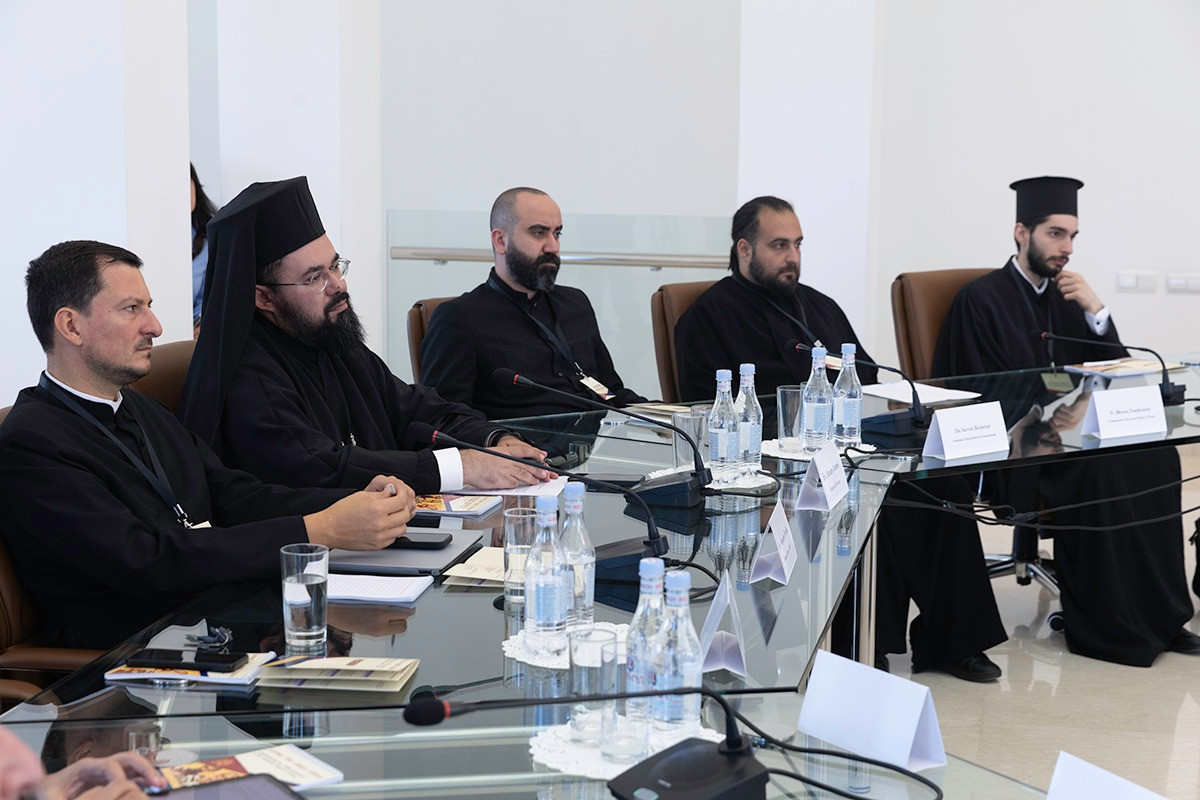
The four-day conference features lectures and reports from Oriental Orthodox, Orthodox, Catholic, Lutheran, and other churches, as well as interchurch organizations. Discussions will address the issues and themes raised by participants. Attendees will also visit sanctuaries and museums, participate in ecumenical prayers, and explore the spiritual and cultural heritage of the Armenian Church and people.